Termite Pest Control Melbourne
Get a free quote today!
Our Services

Fast, Reliable & Long-Lasting Termite Protection
EMERGENCY PEST CONTROLLER provides professional termite pest control in Melbourne to protect homes and businesses from costly termite damage. Whether you’re dealing with an active infestation or want preventive protection, our licensed technicians deliver proven solutions tailored to Melbourne properties.
Termites can cause serious structural damage if left untreated. That’s why our team focuses on early detection, effective treatment, and long-term prevention, using industry-approved methods that are safe, reliable, and results-driven.
Trusted Termite Treatment Melbourne Specialists
Melbourne’s climate and soil conditions make termite activity common across many suburbs. Our local experience allows us to identify termite risks quickly and apply the most suitable termite treatment Melbourne solutions based on your property type.
We don’t believe in one-size-fits-all treatments. Every job begins with a detailed inspection, followed by a customised plan designed to eliminate termites and help prevent future infestations.
Expert Treatment
Safe Solutions
Long-Term Prevention
Our Termite Control Services in Melbourne
Comprehensive Termite Inspection
We conduct thorough inspections to detect:
Active termite colonies
Hidden timber damage
Moisture sources and risk areas
Early detection helps reduce repair costs and limits structural damage.
Targeted Termite Treatment Melbourne
Our treatments are designed to eliminate termites at the source, including:
Chemical and non-chemical treatment options
Barrier systems for long-term protection
Colony elimination methods
Each Melbourne termite treatment is selected based on infestation severity and property layout.
Preventive Termite Protection
Protect your home before termites become a problem with:
Pre-construction and post-construction treatments
Ongoing monitoring and maintenance plans
Prevention is often more cost-effective than repairs.

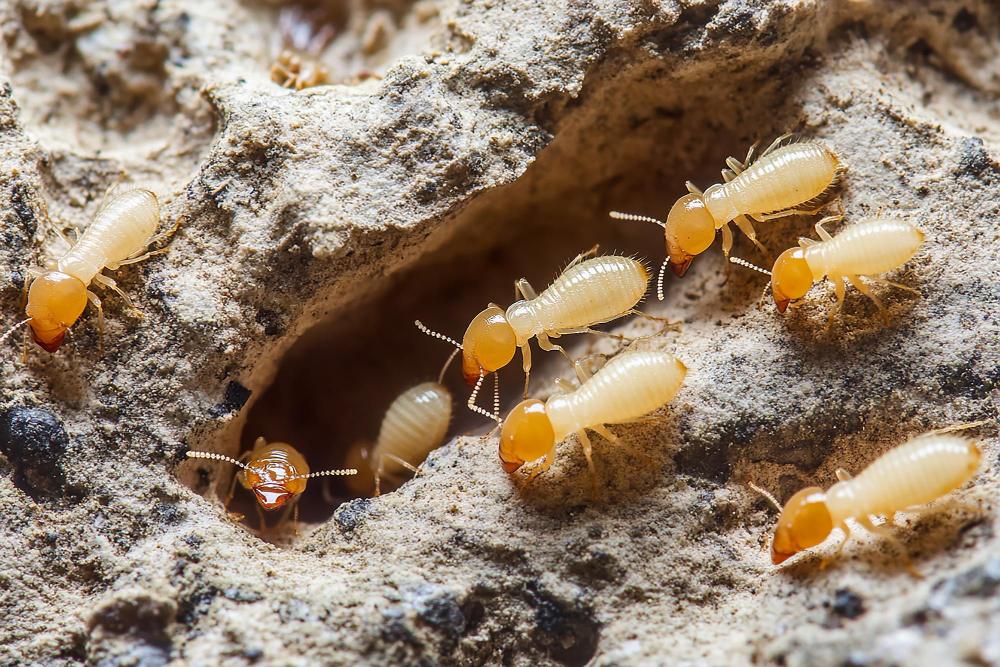
TERMITE CONTROL METHODS INCLUDE-
Many different materials can be used to control termite, including:
PHYSICAL BARRIERS FOR TERMITE CONTROL
A specific size and shape of crushed granite. Granite particles that are too big and heavy for termites to walk through will prevent. them from entering a structure. Granite aggregate is frequently used in the lower bricks and around pipes of buildings with concrete slab foundations.
Mesh made of marine-grade stainless steel can be glued to masonry, concrete slab foundations, and pipes running through slabs. The tiny mesh apertures are inaccessible to termites.
Termite protection measures like metal ant caps on the tops of stumps beneath suspended timber floors can also aid. If put correctly, termites must create a plainly visible mud tube above the lid in order to enter the structure.
CHEMICAL BARRIERS
Chemical barriers function by spraying a continuous pesticide perimeter around the afflicted structure’s exterior. as a result, termites are unable to cross a zone or band of hazardous soil
Trenching around the structure’s foundations and injecting the chemical into the soil through holes drilled in the concrete foundations are two possible methods for creating an efficient chemical barrier.
DUSTS
Due to the insecticide being consumed and dispersed throughout the colony during routine grooming, dusts are effective at
controlling termites.
The most efficient treatments for termite dust are insect growth-regulator dusts (such Triflumuron) and non-repellent termiticides.
Since the 1930s, ferric oxide or other colourants have frequently been added to arsenic trioxide dust to suppress termites. On the other hand, arsenic trioxide is a dangerous, extremely toxic, and irreversible elemental pesticide.
What you can do to Prevention from Ants
Baiting is frequently the best strategy for eliminating an attacking colony when the primary nesting site cannot be located Additionally, bait stations let you collect termite samples for species identification.
Bait stations comprise containers of cellulose materials like wood, paper, or cellulose gel that are placed within or carefully buried
outside the target structure.
Pyrethroid-based repellent termiticide formulations are not effective colony control agents.
Why Terminates Are Considered as Pest
- Termites and white ants can cause damage worth hundreds of millions of dollars each vear.
- The damage is typically not covered by insurance.
- A nest is frequently indicated by flying white ants.
- Termites are mostly active in the warmer months.
- Fever, difficulty in breathing, nausea
- Skin infection
Termite Pest Control- Advice To Homeowners
For their colony to survive, termites need food (wood) and water to maintain high humidity inside their nests. By eliminating these requirements, homeowners can aid in termite attack prevention. Operators of pest control services should provide strategies for doing this, such as:
- Avoid storing wood directly on the soil, under, around, or in contact with buildings.
- Improve drainage and fix leaky plumbing to lessen available soil moisture.
- Ensure soil is not in contact with susceptible building timbers or encroach upon inspection zones.
- Ensure that subfloors are dry and have adequate ventilation.
How Much Does Termite Treatment Cost in Melbourne?
Termite treatment cost in Melbourne can vary depending on:
Property size and structure
Type and extent of infestation
Treatment method required
Accessibility of affected areas
At EMERGENCY PEST CONTROLLER, we provide transparent pricing with no hidden fees. After inspection, you’ll receive a clear quote and explanation of the recommended treatment—so you can make an informed decision.
Why Choose EMERGENCY PEST CONTROLLER?
- Local Melbourne Experts with hands-on termite control experience
- Licensed & Insured Technicians following Australian standards
- Proven Treatment Methods with lasting results
- Fast Response Times for urgent termite issues
- Honest Advice & Clear Pricing
Our reputation is built on reliable service, professional workmanship, and real results for Melbourne homeowners and businesses.
Signs You May Need Termite Pest Control
- Hollow or damaged timber
- Mud tubes along walls or foundations
- Doors or windows becoming difficult to open
- Clicking sounds inside walls
Early action can save thousands in repair costs.
Book a Termite Inspection Today
Don’t let termites compromise your property’s safety. EMERGENCY PEST CONTROLLER offers dependable termite pest control Melbourne services designed to protect what matters most.